

The Hidden Cost of Defensive Behaviour in Senior Teams.
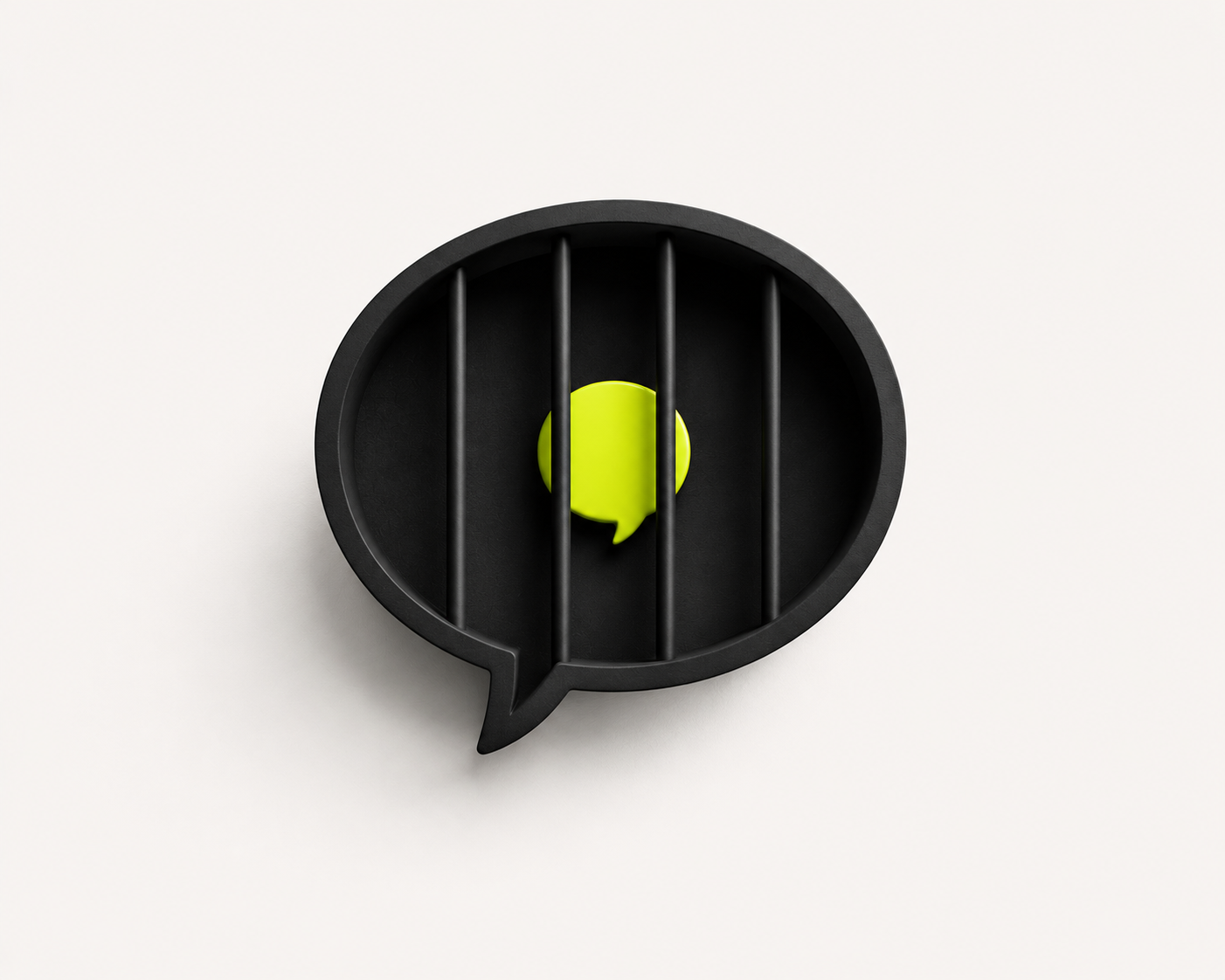
The quietest person in the room just cost you the decision.
There is a moment in most senior meetings that nobody really notices records. Someone can see where a decision is heading, and they can see it is wrong, yet they choose the safety of silence instead.
Everyone else in the room reads it as agreement. The meeting moves on, and the decision gets made with the one objection that actually mattered still sitting, unspoken, in someone’s mind.
We have a comfortable vocabulary for this. We call it resistance, or disengagement, or someone who is not being a team player. Each of those words does the same convenient thing, it puts the problem inside the person, and it lets the room off the hook.
In its April Quarterly, McKinsey argues that we have been reading the room wrong. What looks like resistance is usually self-protection.
Under pressure the human nervous system starts scanning for threat, and in a boardroom that threat is rarely (thankfully) physical. It is the risk of losing status, sense of imposter syndrome, credibility, belonging, or the quiet confidence of being good at the job.
Johanne Lavoie and Ramesh Srinivasan named the response “trauma-informed leadership”, and their argument is refreshingly plain. People are not fighting the change; they are protecting themselves from what they believe the change will take away from them.
This is the thing we have been naming at Single Session Coaching. We call these moves defensive behaviours, and there are seven of them.
Going quiet is one. So is smoothing over the tension, deferring the decision upwards, quietly taking the work back so that nobody else can get it wrong, and firefighting the problems a calmer person would have seen coming. None of these are character flaws. Every one of them is an intelligent, unconscious move to keep someone safe, which is precisely why they are so hard to train away.
Here is the part that shows up on the balance sheet: the fear does not evaporate when the meeting ends. It has to go somewhere. McKinsey's word for what needs to happen to it is a good . The strain has to be metabolised. When it is not, it returns as defensiveness, as polarised teams, and as decisions that quietly route around the truth. The financial model still gets approved, it simply no longer carries the one piece of judgement that would have protected you.
Now consider what most organisations do about all this: they send everyone on a leadership programme.
You cannot train your way past a protective reflex. A workshop asks people to behave differently in exactly the situations that make them feel least safe, and the reflex wins every time, because the reflex is older and faster than any slide deck or training. This is why so much leadership development fails. The behaviour was never an information problem in the first place; it was a safety problem, and that safety went unaddressed.
SSC’s work is the step almost everyone skips. Before you spend another budget teaching a leader new behaviour, you release the pattern that makes the old behaviour feel necessary. One session, and it is done. After that, the training you already paid for finally has somewhere to land.
The quiet person in your last meeting could probably see it coming, and they said nothing, because in that moment saying something felt like the more dangerous move. The question is what that silence cost your business.